
BYD Atto 1 and Dolphin to Get Optional LiDAR in China



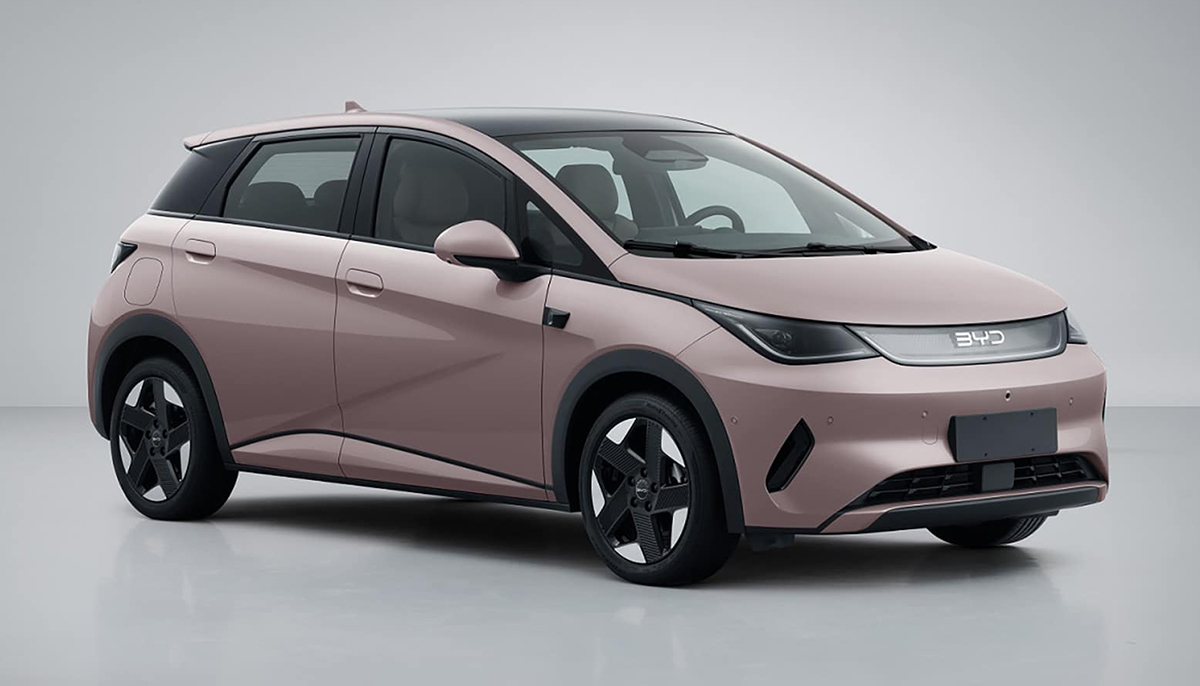
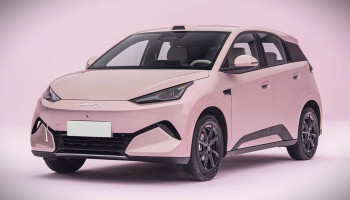
BYD is set to bring advanced assisted-driving technology to its most affordable electric hatchbacks - Seagull (Atto 1) and Dolphin.
Regulatory filings with China’s Ministry of Industry and Information Technology (MIIT) show that the BYD Seagull and BYD Dolphin will be offered with optional LiDAR sensors in the Chinese market, a feature once limited to premium EVs.

Both models are part of BYD’s Ocean Series and are sold globally. The Seagull is known internationally as the Dolphin Mini, Dolphin Surf, or Atto 1.
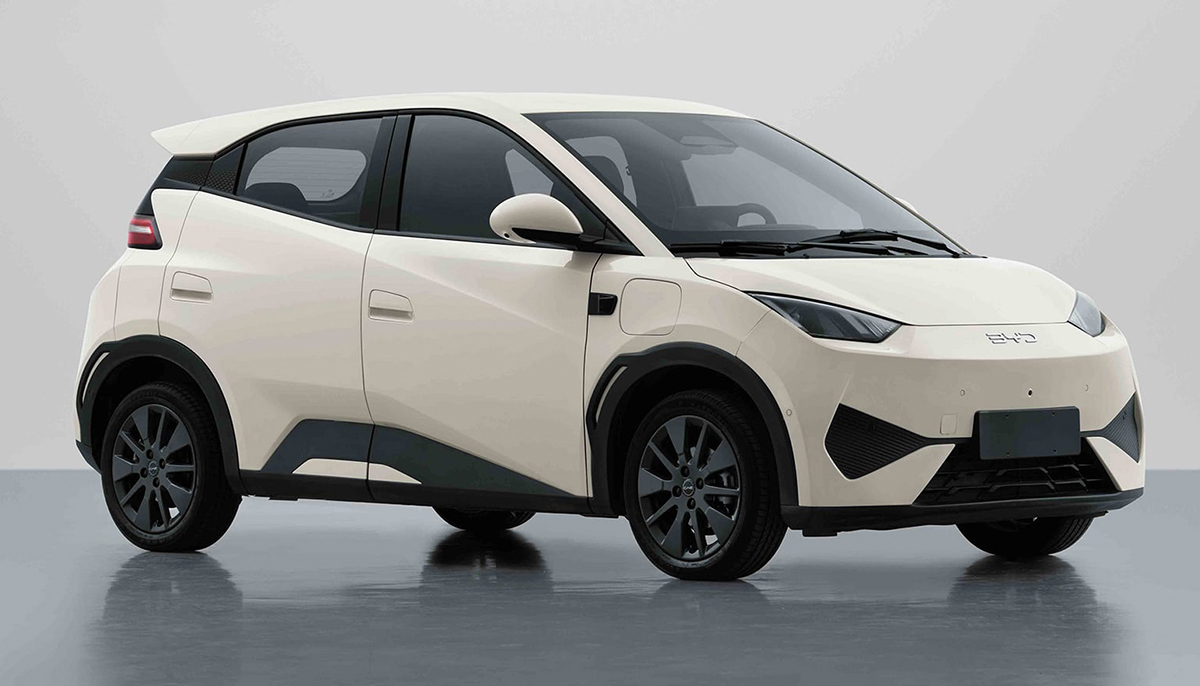

Earlier in 2025, BYD equipped these hatchbacks with its DiPilot 100 (God’s Eye C) system, which relies on cameras, radars, and ultrasonic sensors. The addition of LiDAR marks a significant upgrade in perception hardware.
MIIT images reveal a roof-mounted LiDAR unit on both cars, while the exterior design remains largely unchanged. This suggests compatibility with BYD’s more advanced DiPilot 300 system, also called God’s Eye B, which has so far been reserved for higher-end BYD and Denza models.
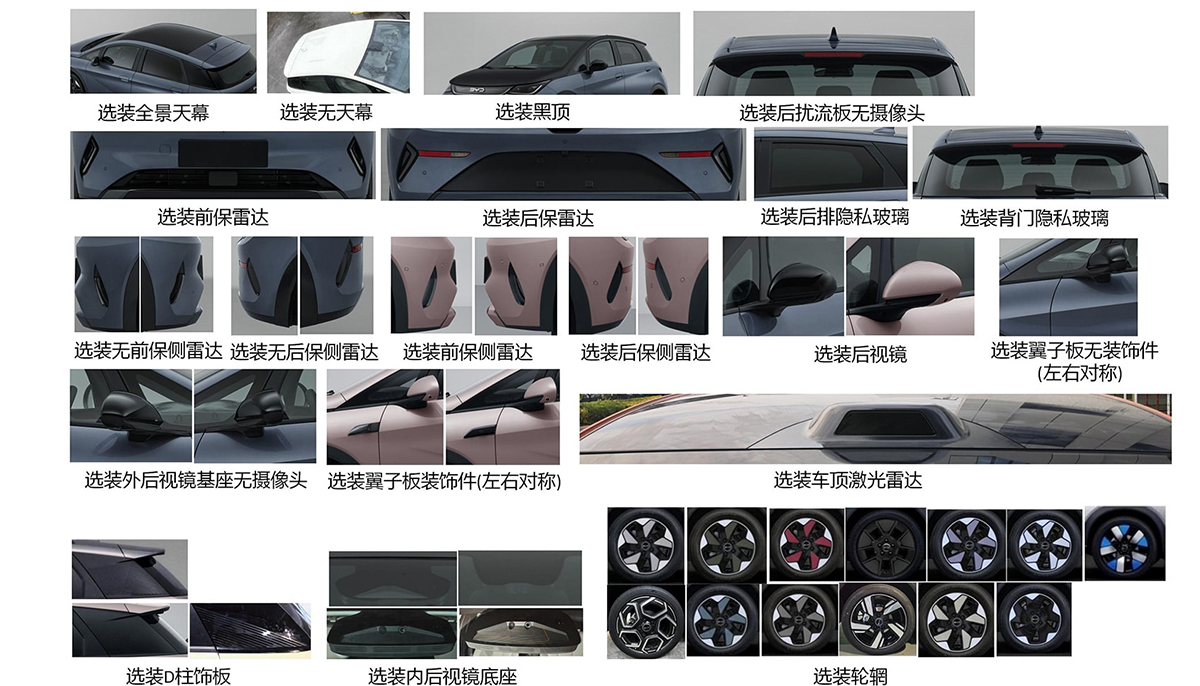
The system uses a single Robosense LiDAR with a 350-meter detection range, paired with Nvidia’s Drive Orin chip delivering up to 254 TOPS of computing power. This enables features such as Navigate on Autopilot for highways and urban roads.
While LiDAR was once exclusive to high-end EVs, its adoption is spreading quickly. BYD’s decision follows competitors like Leapmotor, which introduced LiDAR on a budget model last year, highlighting intensifying competition in China’s mass-market EV space.
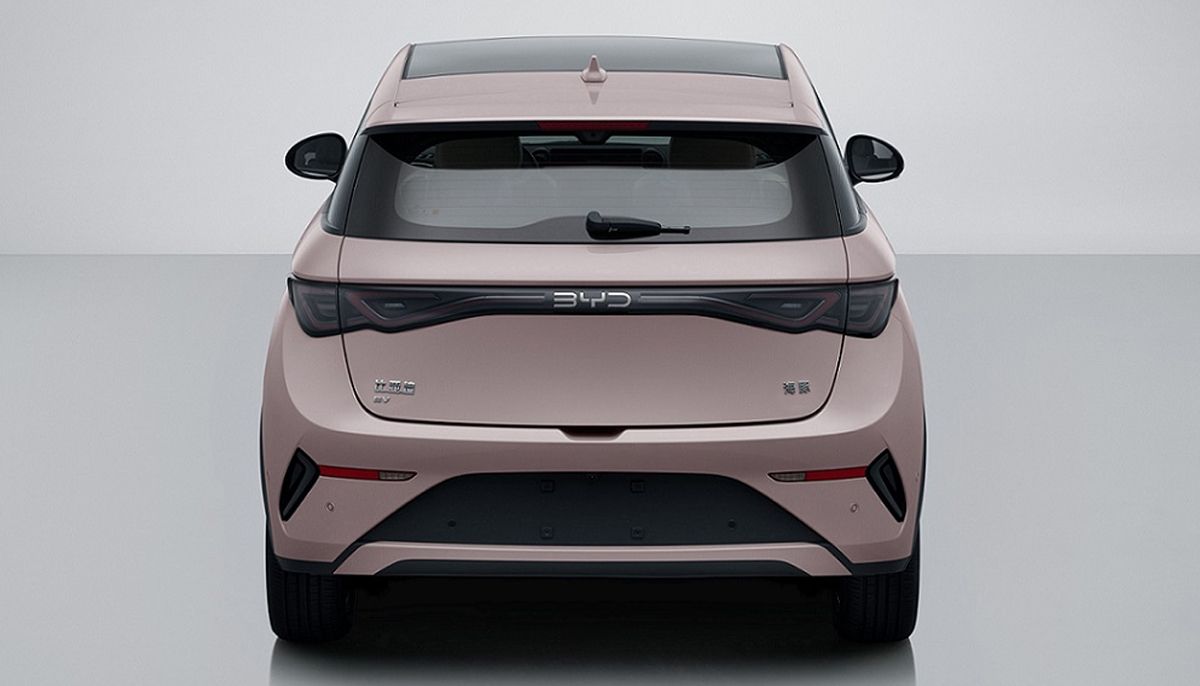
In Nepal, the Seagull is sold as the BYD Atto 1. It is available in Dynamic and Premium variants, offering WLTP ranges of 230 km and 300 km, respectively. The BYD Dolphin, positioned above it, features a 44.9 kWh Blade Battery with a WLTP range of 340 km, a 70 kW motor producing 180 Nm, and support for both DC fast and AC charging.
With LiDAR now appearing on its most affordable models, BYD is signaling that advanced driver-assistance technology is rapidly becoming mainstream in the electric vehicle market.



Hyundai Bayon Launched in India; Nepal Launch Expected in Q1 2027
Second-Gen BYD Atto 1 Pre-Orders Open in China